


DIGITAL MARKETING
Digital marketing is simply advertising and connecting with customers through the internet and electronic devices instead of traditional media like billboards, TV, or newspapers. It includes everything a business does online to get noticed, build an audience and make sales.


DIGITAL ADS
In a digital world your business can run paid ads that pop up on a user's smartphone or inside their favourite games, send them a text message when they walk nearby your business, or show up on Google when they search 'new tyres near me'. You are simply putting your business where people are already looking.
To better understand Digital Marketing, it is helpful to think of it in terms of how a digital marketer would approach it.
-
Search Engines: Making sure a business shows up at the top of Google when someone searches for a related product or question.
-
Social Media: Using platforms like Instagram, TikTok, and LinkedIn to talk to customers, share videos, and build a community.
-
Paid Ads: Paying a platform (like Facebook or Google) to display an ad directly to a chosen audience.
-
Content Marketing: Writing helpful blogs, making videos, or hosting podcasts that pull people in naturally by solving their problems.
-
Email Marketing: Sending updates, discounts, or helpful newsletters straight to an interested person's inbox.
Compare Traditional Marketing with Digital Marketing and then we can discuss what's best for your business. There are three major differences:
Traditional Marketing (TV, Print, Billboards)
Targeting: new customers is like shouting to everyone and hoping the right person hears you.
Tracking: how many people saw a billboard or bought because of it is down to guess work.
Flexibility: your printed ad is locked in once a billboard is printed or a TV ad runs allowing you no changes.
Digital Marketing (Web, Social, Search)
Targeting: hyper-targeting is used to reach only people of a certain age, location, or specific interest.
Tracking: knowing exactly how many people clicked an ad, stayed on the site, and purchased.
Flexibility: if an online ad isn't working, you can change the text or pause it instantly.
To discuss how we can help you navigate the world of digital marketing and embrace it to benefit your business, call us on 1300 85 26 85 or email us.


WEBSITES
For business owners, a website is a vital asset that goes to work for you every day. How does this happen? A website:
-
Builds Instant Credibility: Modern consumers expect legitimate companies to have an online home. A polished, professional website instantly validates your business, builds consumer trust, and sets you apart from competitors who only rely on social media.
-
Provides 24/7 Availability: Your physical doors might close at 5 PM, but your website never sleeps. It acts as a round-the-clock customer service rep that answers FAQs, showcases your catalog, and captures customer inquiries while you rest.
-
Attracts New Customers via Search: When people search Google for local services or specific products, search engine optimization (SEO) helps your website pop up right in front of them, bringing organic traffic and new leads straight to your inbox.
-
Secures Direct Sales and Bookings: By integrating e-commerce features or scheduling software, your website transforms from a digital brochure into a direct revenue generator. Customers can buy your products or book appointments directly through your site at their own convenience.
-
Owns Your Brand and Data: Social media algorithms change constantly, and platforms can disappear. A website gives you absolute control over your brand image, your messaging, and valuable customer analytics data without a middleman.
-
Cost-Effective Marketing Hub: Rather than paying for temporary print ads or expensive flyers, a website serves as a permanent, highly scalable marketing tool. It acts as the central destination for all your digital marketing efforts, from email newsletters to social media campaigns.
For a confidential discussion about how we can help your business promote it's brand by building a new custom website or carrying out a makeover of your existing site, call us on 1300 85 26 85 or email us.


SEO (Search Engine Optimisation)
Search Marketing Optimization (SMO) is the process of improving a business's online visibility across search engines like Google and social media networks. It combines strategies from Search Engine Optimization (SEO) and Social Media Optimization (SMO) to ensure a brand appears prominently whenever a potential customer searches for related products or information. By unifying these methods, a business builds a cohesive digital presence that drives continuous, organic traffic
The Core Pillars of Search Marketing Optimization.
-
Keyword Integration
-
Researching exact terms customers use during searches.
-
Embedding keywords into website copy and blogs.
-
Adding relevant hashtags and search terms to social captions.
-
Matching content to the intent of the buyer's query.
-
-
Content Synergy
-
Creating high-quality blog posts that answer customer questions.
-
Repurposing website content into short, engaging social videos.
-
Linking social media profiles directly back to landing pages.
-
Increasing content shareability to generate natural backlinks.
-
-
Profile & Technical Optimization
-
Standardizing business information across all online directories.
-
Optimizing Google Business Profile for local search visibility.
-
Improving website loading speeds and mobile responsiveness.
-
Formatting social profiles with clear, searchable bio keywords.
-
If you are looking to better understand the world of search engine optimisation to boost your brand online, please call 1300 85 26 85 for a confidential discussion or email us.


Social Media Marketing
Social media marketing is the practice of creating and sharing content on platforms like Instagram, TikTok, LinkedIn, and Facebook to connect with audiences, build a brand, and drive sales. Unlike social media advertising which relies on paid budgets, social media marketing focuses on organic growth, community building, and two-way conversations between a business and its customers. Consistently publishing content, a business transforms from a faceless company into a brand that people know, like, and trust.
Why are businesses invested in Social Media Marketing?
1. Brand Discovery. It exposes the business to millions of global users entirely for free.
2. Customer Retention. It keeps the brand top-of-mind daily through short, interactive updates.
3. Two-Way Dialogue. It allows immediate, open conversations between buyers and the company.
4. Viral Growth Potential. It enables users to share content instantly, multiplying brand reach.
To find out more or to discuss how an SMM strategy can benefit your business, call 1300 85 26 85 or email us.

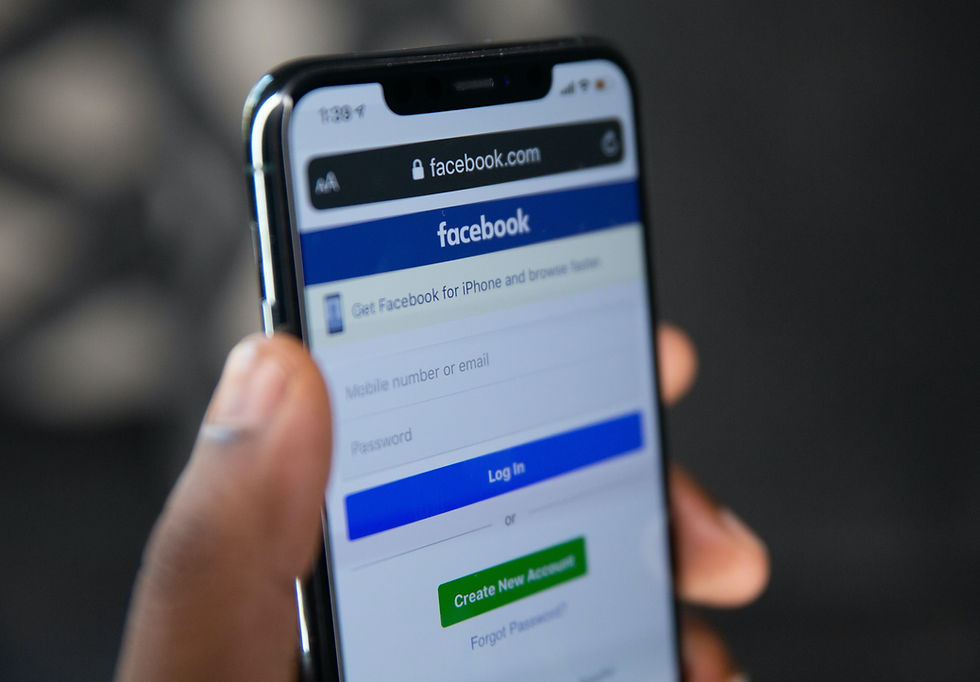


SOCIAL MEDIA PLATFORMS
Facebook is a social networking site that makes it easy for you to connect and share with family and friends online. In October 2022 Facebook had 2.93 billion monthly active users and is the 3rd most visited website in the world.
Instagram is a free photo and video sharing app available on iPhone and Android. People can upload photos or videos to Instagram and share them with their followers or with a select group of friends. They can also view, comment and like posts shared by their friends on Instagram.
LinkedIn is the world's largest professional network on the internet. You can use LinkedIn to find the right job, connect and strengthen professional relationships, and learn the skills you need to succeed in your career. You can access LinkedIn from a desktop, LinkedIn mobile app, or mobile web experience. A complete LinkedIn profile can help you connect with opportunities by showcasing your unique professional story through experience, skills, and education.
X, formerly and colloquially known as Twitter, is a social media website based in the United States. With over 500 million users, it is one of the world's largest social networks. Users can share and post text messages, images, and videos known historically as "tweets". X also includes direct messaging, video and audio calling, bookmarks, lists and communities, and Spaces, a social audio feature.
YouTube is an American online video sharing and social media platform owned by Google. Accessible worldwide, it was launched in 2005. Every day, millions of people come to YouTube to be informed, inspired or just have fun. The platform offers users, creators and artists the opportunity to express themselves. A popular example is "how to" videos that are posted regularly and designed to help someone, somewhere in the world to solve a problem.

Google Business Profile
Google offers businesses a free Business Profile that allows you to publish information about your business that may appear in local searches. Adding a description of what you do, your location, trading hours, photos of products or services you sell, customer testimonials and special offers, helps potential customers find out about your business before visiting.
With relevant keywords added to your profile, your business will appear in searches and Google Maps giving your business added exposure free of charge. Leaving a Google Review on your profile allows customers to give you feedback based on their experiences which can be viewed by other people visiting your profile. You can update your business profile whenever you want to keep it fresh and inviting.
If you would like assistance building your Google Business Profile, please call 1300 85 26 85 for a confidential discussion or email us.


Email Marketing
Email marketing is a digital strategy where businesses send promotional messages, newsletters and sales pitches directly to a list of email addresses provided by interested customers. Unlike social media, where algorithms control who sees your content, email marketing provides a direct, unmediated communication channel with a business's target audience. By building an email database, a business creates a highly predictable marketing asset that can generate repeat sales on demand.
Email Marketing has three distinct stages:
-
Audience Building
-
Campaign Delivery
-
Tracking Performance
-
Measuring the exact percentage of recipients opening messages.
-
Tracking how many readers click links within emails.
-
Monitoring total unsubscribes to gauge content quality.
-
Attribute revenue directly to specific email broadcasts.
-
If you are interested in implementing an email marketing strategy for your business and would like some help, please call 1300 85 26 85 or email us.